


Efficiency of myocardial protection using blood cardioplegia in cardiac surgery
Purpose of the study
Determination of the maximum safe time for aortic clamping when using the cardioplegic solution Normacor® as a myocardial protector.
The study was conducted on 5 mini-pigs weighing from 31 to 37 kg.
The surgeries were performed using cardiopulmonary bypass. A mixture of Normacor No. 1 cardioplegic solution (400 ml) and oxygenated blood was administered in a 1:2 ratio.
Every 30 minutes (up to the 180th minute), a myocardial biopsy was taken for further examination of histological and histochemical parameters.
During the operation, conditions of intentional anemia were created with hematocrit values of 15-17.
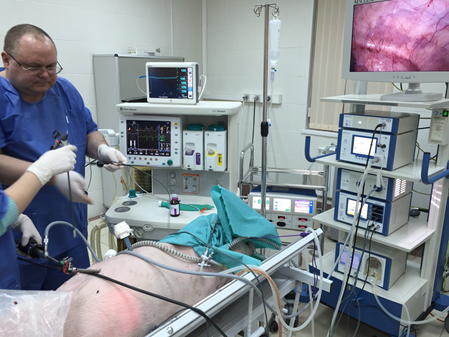
Histological examination
According to histological examination, changes characteristic of ischemic myocardial damage, under conditions of intentional anemia, began to appear after the 120th minute of aortic clamping and administration of a single dose of Normacor® and reached a maximum by the 180th minute.
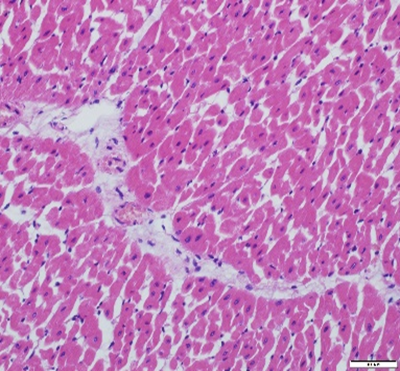
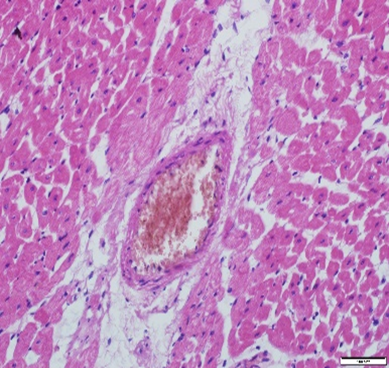
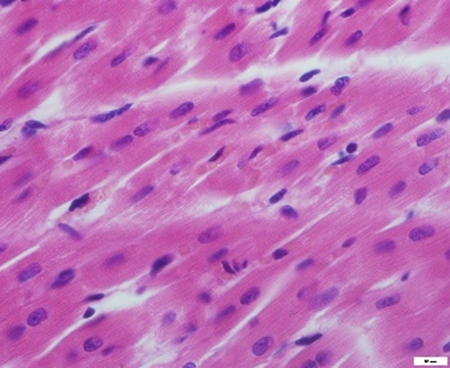
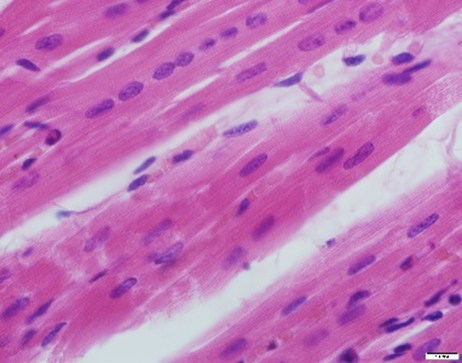
Left ventricular myocardium at different stages of surgery, stained with hematoxylin and eosin.
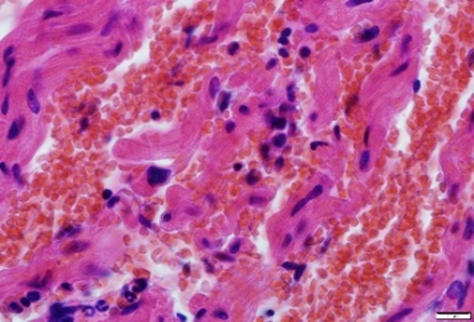
120 minutes - reversible degenerative changes in cardiomyocytes
- cytoplasm lysis
- stromal edema
- diapedesis
- foci of coagulation
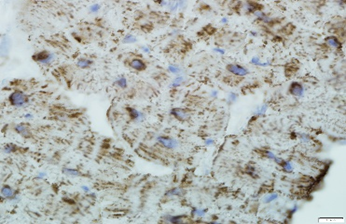
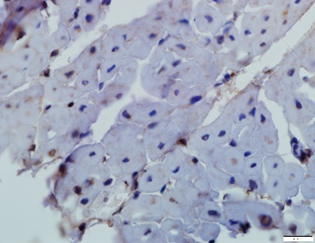
Immunohistochemical study
Succinate dehydrogenase (SDH) concentrations began to decline after the 120th minute (from 6 points at baseline to 4 points) and reached 2 points by the 180th minute.
Hypoxia-inducible factor levels (2 points at baseline) decreased by the 30th minute (1.4 points), increased until the 150th minute (4 points), and decreased almost to baseline by the 180th minute (2-4 points).
Conclusion
The first morphological signs of ischemia were detected 120 minutes after aortic clamping and a single administration of Normacor.
This means that Normacor® provides effective cardiac protection for 120 minutes from the moment of a single administration of cardioplegia following aortic cross-clamping. Therefore, a single dose of the solution is sufficient for most cardiac surgeries.